Updated November 10, 2026
Arizona Tree Removal Safety and Yard Cleanup Guide
Learn when Arizona tree removal may be needed, how cleanup should be planned, and what Phoenix Metro property owners should check first.
When Tree Removal Becomes Necessary
Tree removal may be needed when a tree is dead, leaning, damaging hardscape, dropping unsafe limbs, blocking access, or creating a maintenance problem that trimming cannot solve.
Cleanup Matters
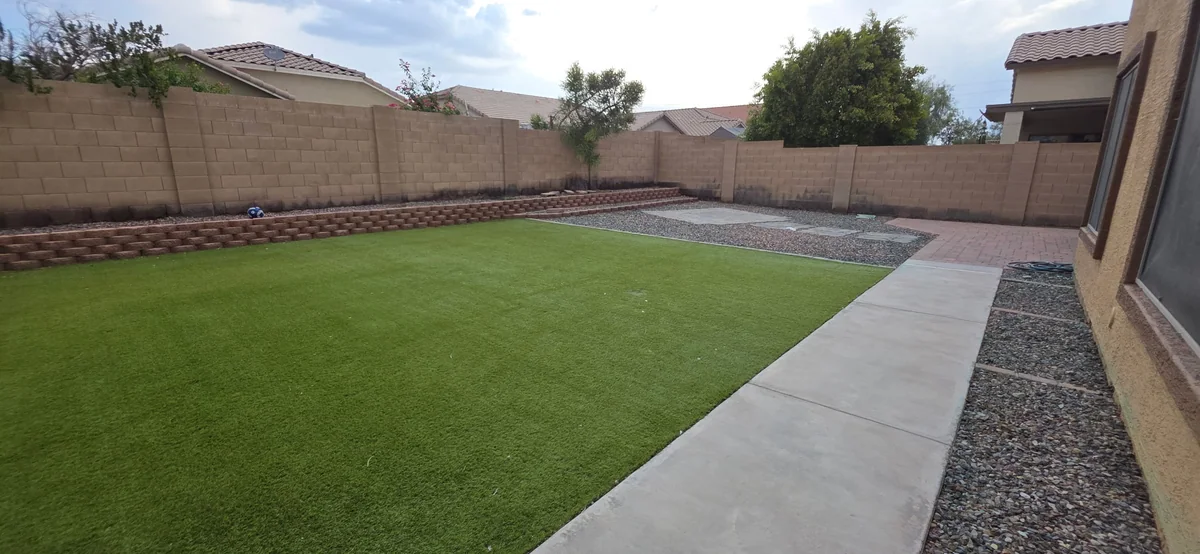
A tree job is not finished until branches, leaves, trunk sections, and sharp debris are handled. Cleanup helps protect lawn areas, garden beds, irrigation lines, and walkways.
Local Tree Service Coverage
Smiley's Landscaping LLC supports tree removal and tree service in Phoenix, Glendale, Peoria, Surprise, Tolleson, Laveen, Avondale, Goodyear, El Mirage, Sun City, Sun City West, and Scottsdale.
Start with the concern, not a decision to cut the tree
A damaged branch, a new lean or a tree growing close to a building deserves attention, but a general warning-sign list cannot determine whether removal is necessary. Tree condition, roots, surrounding structures and the places people use all matter. Photographs can help plan a visit; they do not certify that a tree is safe.
Describe what has changed and when you first noticed it. Include a view of the whole tree, the ground around its base and nearby buildings or paths, provided you can take the photographs from a safe location. Do not stand beneath damaged branches to get a closer picture.
When to keep people away
Visible hanging branches, fresh structural damage or a tree contacting an overhead line are reasons to keep clear and seek appropriate help. Do not try to pull a branch down with a rope, work from a ladder with a saw, or approach a line that may be energized. For an immediate threat to people or utilities, contact the appropriate emergency service or utility.
A qualified tree-risk professional can evaluate conditions that are not obvious from the ground. The International Society of Arboriculture's tree-risk guidance for owners explains why assessment and appropriate precautions matter. This article is not a substitute for inspecting the actual tree.
What information helps with a removal quote?
Identify the specific tree and the reason for requesting work. Explain whether access is through a narrow gate, across a lawn, beside a pool or near a structure. Mention overhead utilities and known irrigation lines. For an office or shared property, identify who is authorized to approve the work.
Ask what protection and cleanup are included. Equipment access and debris handling can affect the job as much as the visible size of the tree. Confirm that the provider can undertake the particular work and ask for documentation of applicable qualifications and insurance rather than relying on an advertising badge alone.
Removal, pruning and stump work are different scopes
A proposal should clearly distinguish pruning from removal. If someone recommends removal, ask what condition supports that recommendation and whether other options are appropriate. Conversely, do not assume trimming will resolve a structural defect or make a tree storm-proof.
Stump grinding, hauling large wood, removing roots and restoring the surface may be separate tasks. Ask what remains after the agreed work. When comparing estimates, make sure each covers the same tree, access requirements, debris handling and finish condition.
Prepare the property before the agreed visit
- Confirm gate access, parking and any equipment restrictions.
- Keep people and pets away from the work area.
- Identify furniture, vehicles and other movable items near the tree.
- Explain known irrigation locations and surfaces that need protection.
- Provide the contact who can approve changes if conditions differ from the quote.
Do not start cutting branches or clearing beneath a damaged tree to help the crew. Ask what preparation is safe and useful. If the property has HOA or other requirements, check them before scheduling; do not assume a general service article covers the rules for your site.
Check the agreed outcome afterward
Walk through the completed work with the agreed scope in hand. Check what debris has been removed, what stump or root work was included, and whether affected paths and landscape areas have been left as agreed. If irrigation was near the work, arrange a check before resuming its normal schedule.
For related information, read tree warning signs in Arizona and see tree removal and pruning services. Local pages cover Glendale and Phoenix. Call (602) 559-2414 or request an assessment and quote; explain the concern without approaching a hazardous tree.